
GEO Consulting
Generative Engine Optimization — the discipline of getting your brand cited, quoted, and recommended in AI-generated answers across ChatGPT, Perplexity, Google AI Overviews, Claude, and every AI tool your customers use to find information.
Be Found by AI, Not Just Search Engines
More people are getting answers from AI tools instead of clicking through search results. If your brand isn't showing up in those AI-generated responses, you're invisible to a growing audience. GEO focuses on structuring your content, building authority signals, and optimizing your site so AI systems like ChatGPT, Google AI Overviews, and Perplexity accurately represent and cite your brand.

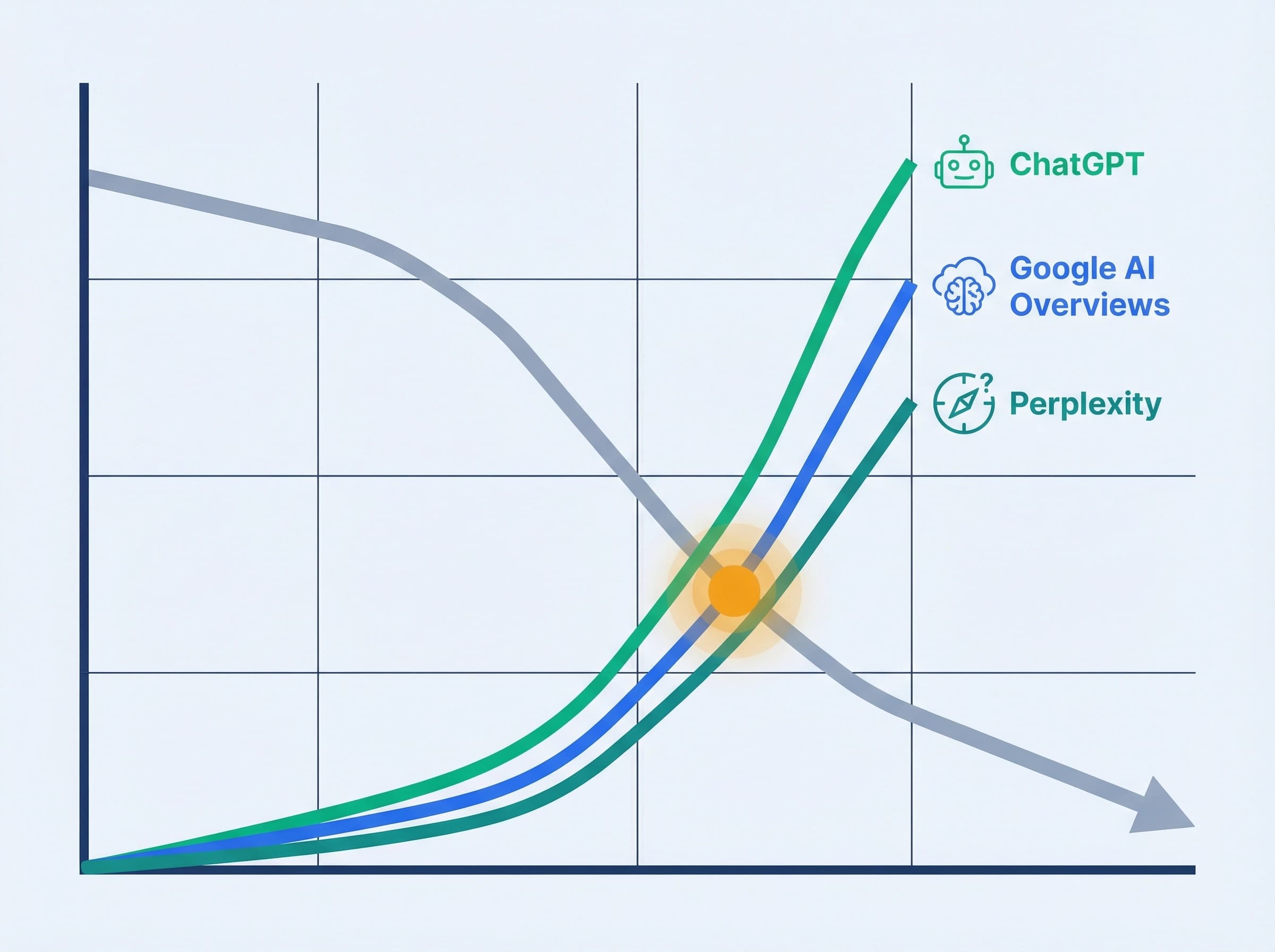
Search Is Changing Faster Than You Think
Gartner predicts a 50% drop in traditional search traffic by 2028. ChatGPT has 900M+ weekly users. Google AI Overviews reach 1.5B users across 200+ countries. Perplexity processes 500M+ queries per month. The question isn't whether AI search will affect your business. It's whether you'll be visible when it does.
What Makes AI Cite Your Brand
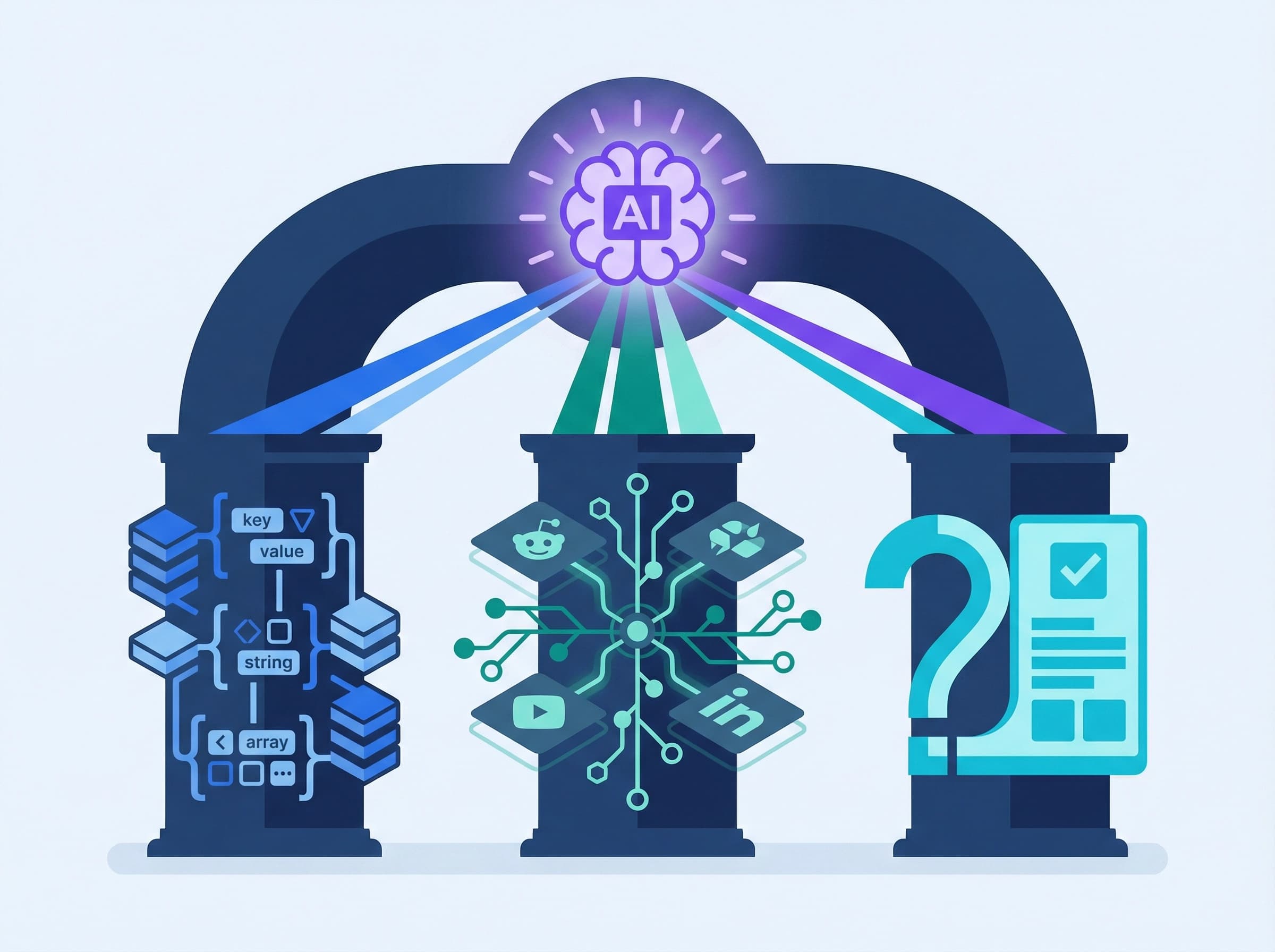
AI models don't rank pages — they synthesize answers from sources they trust. That trust comes from three things: structured data they can parse, authority signals across the web (brand mentions, not just backlinks), and content written in a way that directly answers questions. We reverse-engineer what makes AI systems choose one source over another, then apply those patterns to your content.
Brand Mentions Matter More Than Backlinks
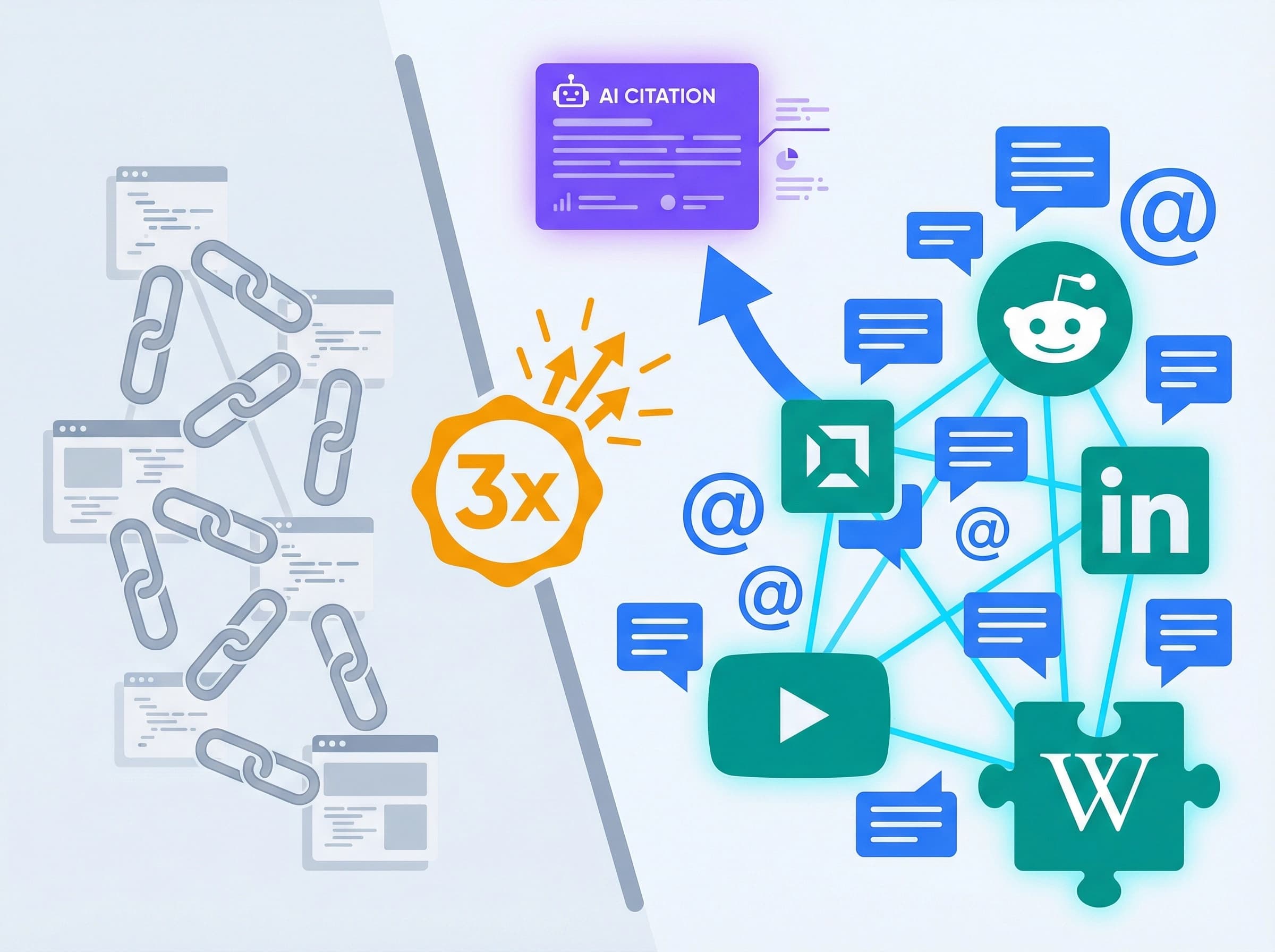
For traditional SEO, backlinks are king. For AI search, brand mentions are 3x more correlated with citations than backlinks (Ahrefs, 2025). We build your brand's presence across the platforms AI models trust most: Reddit, YouTube, LinkedIn, Wikipedia, industry publications, and authoritative forums — not through spam, but through genuine participation and content placement.
Speak the Language AI Understands
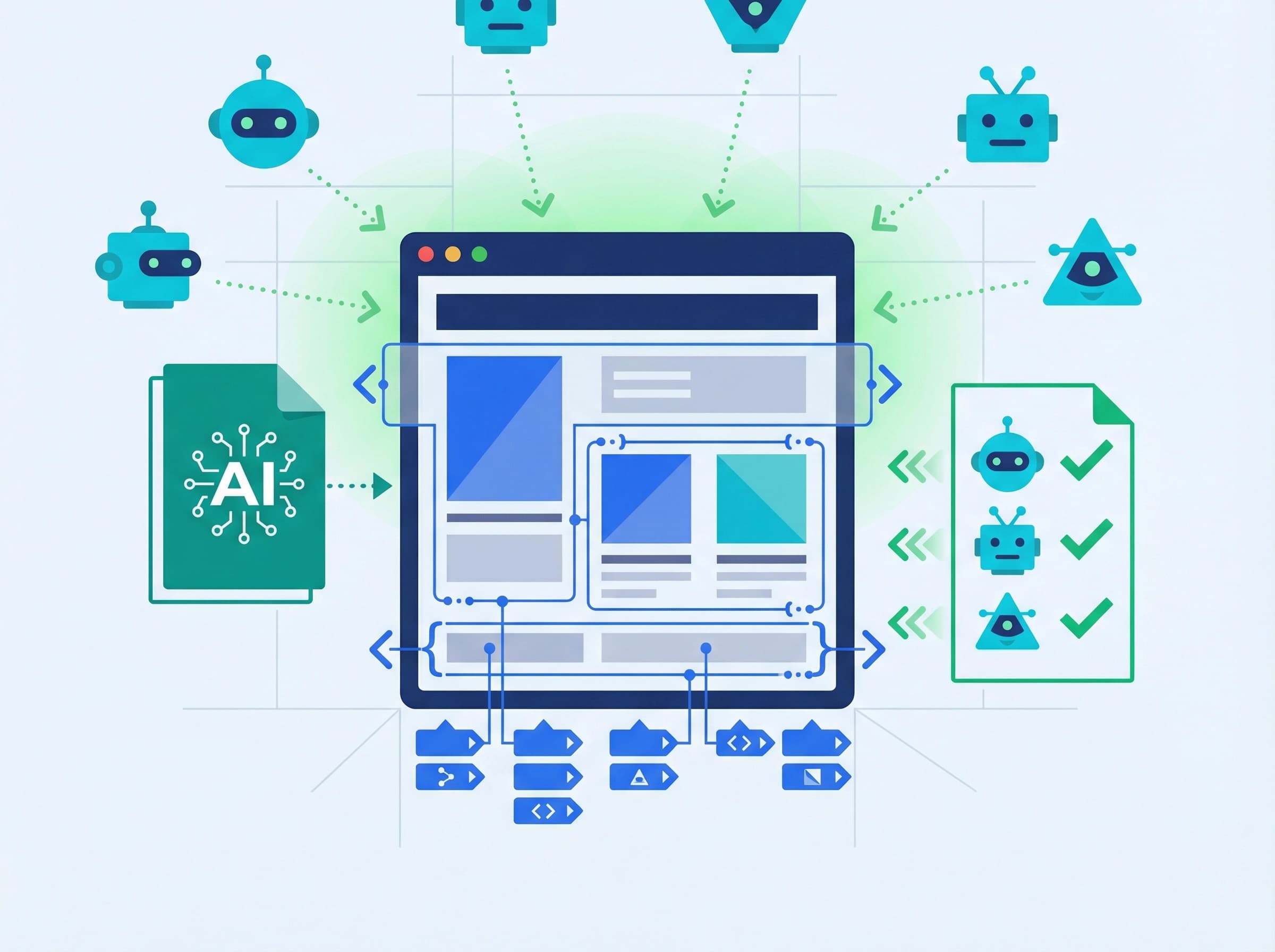
We implement the technical foundations that help AI systems read your site: llms.txt files for AI crawler guidance, rich JSON-LD structured data, proper schema markup, and content structured to match how LLMs process information. We also configure your robots.txt to explicitly welcome AI crawlers — GPTBot, ClaudeBot, PerplexityBot — because if they can't crawl your site, they can't cite it.
Each AI Platform Works Differently
ChatGPT favors structured, authoritative sources with clear entity information. Perplexity prioritizes recent, cited content. Google AI Overviews lean on existing Search rankings plus structured data. Claude weighs factual accuracy and sourcing. We optimize for each platform's specific behavior — not a one-size-fits-all approach.
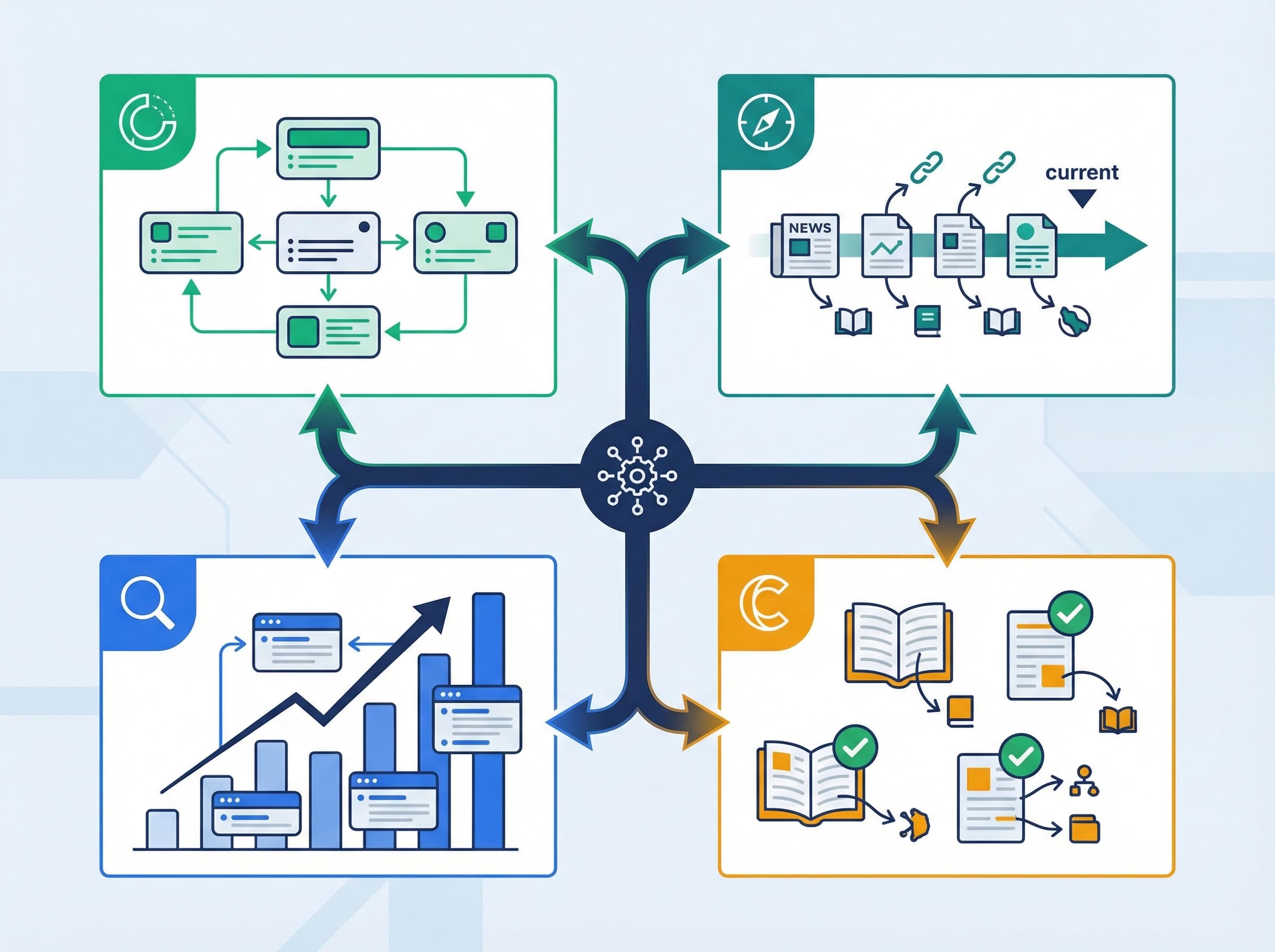
How GEO Works
Structured Data
Implement rich structured data so AI systems can accurately parse and cite your content.
Authority Signals
Build E-E-A-T signals that make AI models trust and prioritize your brand as a source.
Conversational Content
Create content optimized for natural language queries that AI assistants can directly reference.
AI Visibility Audit
Monitor how your brand appears across AI platforms and identify gaps in representation.
llms.txt Implementation
AI crawler guidance files that tell LLMs what your site is about and where to find key content.
Brand Mention Strategy
Building presence on Reddit, YouTube, LinkedIn, and industry platforms where AI sources information.
AI Crawler Access
Configuring robots.txt and server responses to welcome GPTBot, ClaudeBot, PerplexityBot, and other AI crawlers.
Citation Monitoring
Tracking how and where your brand appears in AI-generated responses across multiple platforms.
GEO + SEO Integration
Aligning traditional SEO and GEO strategies so they reinforce each other instead of competing.
FAQ
What's the difference between SEO and GEO?
SEO optimizes for traditional search engine rankings. GEO optimizes for AI-powered search tools like ChatGPT, Perplexity, and Google AI Overviews — ensuring your brand is cited in AI-generated answers.
Which AI platforms does GEO target?
We optimize for ChatGPT, Google AI Overviews (SGE), Perplexity, Claude, and other major generative search platforms.
Do I still need SEO if I do GEO?
Yes. GEO builds on strong SEO foundations. Traditional SEO ensures your content is crawlable and authoritative, which also helps AI systems trust and cite your brand.
What is llms.txt?
A standardized file (like robots.txt for AI) that tells language models what your site is about, where key pages are, and how to reference your content. We implement and maintain it.
How do you track AI citations?
We monitor your brand's appearance across ChatGPT, Perplexity, Google AI Overviews, and Claude using manual testing and automated checks. There's no single tool for this yet — it requires hands-on monitoring.
Is GEO just for big brands?
No. AI search is actually an equalizer — a well-structured small business site can get cited over a Fortune 500 company if its content better answers the question. GEO rewards quality over size.
How long does GEO take to show results?
Technical changes (structured data, llms.txt, crawler access) can improve AI visibility within weeks. Brand mention strategies take 2-4 months to build momentum.
Can GEO help with Japanese AI search?
Yes. We optimize for both English and Japanese AI search behavior. Japanese LLM responses have different source preferences and content patterns.
What's the relationship between E-E-A-T and GEO?
E-E-A-T (Experience, Expertise, Authoritativeness, Trustworthiness) is the foundation of both. AI models use E-E-A-T signals to decide which sources to trust and cite. Strong E-E-A-T is the single most important factor in GEO.
Curious How AI Search Sees Your Brand?
We'll show you how your brand currently appears across AI platforms and where the gaps are.
Book a Consultation